Elegant Floral Wedding Invitations with Watercolor Dusty Rose & Greenery
Planning a wedding is a deeply personal journey, and every detail contributes to the story you’re telling. The invitation is the first chapter your guests will read, setting the tone for the entire celebration. For couples drawn to a romantic, timeless aesthetic that feels both sophisticated and organically beautiful, a design featuring watercolor dusty rose and soft greenery leaves is a perfect choice. This combination evokes a sense of lush, garden-inspired elegance that is both modern and classic, creating an immediate emotional connection with everyone who receives it.
The Allure of a Hand-Painted Aesthetic
What makes this particular style so captivating is its blend of artistry and softness. The watercolor effect provides a hand-painted, artisanal quality that feels personal and unique, far removed from sterile, mass-produced prints. Dusty rose, with its muted pink and subtle gray undertones, offers a sophisticated alternative to brighter pinks. It’s romantic without being overly sweet, and it pairs exquisitely with the natural, organic shapes of eucalyptus, fern, or olive leaves. This palette works beautifully across seasons, feeling fresh for a spring garden party, warm for an autumn affair, and perfectly cozy for an intimate winter wedding.
More Than Just an Invitation: A Suite of Design Assets
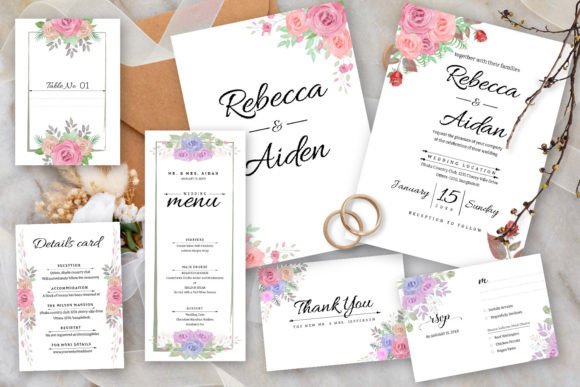
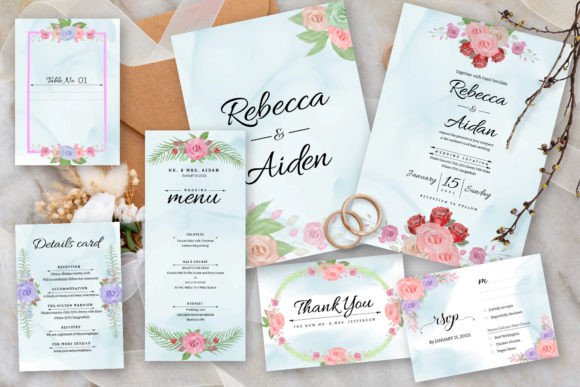
A truly valuable design resource doesn’t just offer a single file; it provides a complete, cohesive system. This is where the practicality of a well-constructed template shines. Receiving the design in multiple formats, such as editable vector AI files and high-resolution JPGs, transforms it from a static image into a versatile toolkit. The vector files are particularly crucial for any designer or DIY bride who wants to customize. Being able to edit text, adjust the placement of a floral element, or even subtly change colors in a program like Adobe Illustrator means the final product is perfectly tailored to the couple’s specific vision.
The inclusion of multiple card sizes is another significant advantage. A standard 5″x7″ invitation with bleed is the cornerstone, but having a matching 3.5″x5″ RSVP card ensures visual consistency across the entire suite. This attention to detail is what elevates a simple invitation into a professional-looking stationery set. It demonstrates an understanding of real-world print requirements, saving the user from guesswork and ensuring a polished final product from the printer.
From Wedding Suite to Brand Identity: Unexpected Applications
While designed for nuptials, the aesthetic principles behind these elegant floral cards have a much broader appeal. For creative entrepreneurs, small business owners, and designers, this style can be a powerful tool for visual communication. Imagine using the watercolor floral elements to create:
- Logo Design & Branding: A boutique florist, a wedding planner, a high-end spa, or a bridal boutique could extract the floral motifs to build a soft, luxurious brand identity. The dusty rose and greenery palette communicates care, beauty, and attention to detail.
- Packaging & Marketing Materials: Product labels for artisanal soaps, candle sleeves, or bakery boxes could incorporate these delicate watercolor touches to convey a premium, handmade feel. Social media graphics, blog headers, and website banners would also benefit from this elegant and engaging visual style.
- Editorial & Digital Design: Magazine layouts for lifestyle or wedding features, e-book covers, or digital planners can use these elements to add depth and sophistication. The textures and soft colors are easy on the eyes and create a welcoming, professional presentation.
The key is to see the design not as a rigid template, but as a collection of high-quality assets. The editable nature of the files allows a designer to pull a single leaf cluster for a business card corner, or use the full floral arrangement as a hero image for a website homepage. This flexibility makes it a smart investment for anyone in the visual space.
Practical Tips for Customization and Pairing
To get the most out of a template like this, a thoughtful approach to customization is needed. First, consider the typography. The invitation likely uses a beautiful script or serif font that complements the floral art. When adapting the design for other projects, choose typefaces that share a similar mood. A elegant serif font pairs well for body text, while a complementary sans serif can be used for modern, clean headlines. Always test your font pairings at the size they will be viewed to ensure readability remains strong.
When editing the colors, proceed with care. Dusty rose and green are a harmonious duo for a reason. If you need to adjust, stick to the same tonal family—perhaps a slightly deeper mauve or a sage green—to maintain the design’s integrity. For commercial projects, always double-check the licensing terms of any template or asset you purchase to ensure it covers your intended use, whether for a client project, merchandise, or digital products.
Ultimately, the value of a design like the elegant floral wedding invitation template lies in its ability to communicate a feeling. It’s a visual shorthand for romance, thoughtfulness, and natural beauty. By leveraging its editable files and cohesive design, you can extend that feeling far beyond a single wedding, using it to build brands, create marketing materials, and design products that resonate deeply with an audience that appreciates refined, heartfelt aesthetics.